
The best marketing decisions in history looked ridiculous first. Absurd on paper. Off-brand. Risky. The kind of thing a boardroom would vote down, a consultant would flag, and an agency creative director would quietly apologize for at the next award show.
And then they worked. Spectacularly.
These five Indian brands took unconventional marketing bets that nobody — not their competitors, not their investors, not the industry — believed in at the time. What happened next became case study material. Here's exactly what they did, why it worked, and why it matters for D2C brands and creators trying to build something real in 2026.
Fevicol Never Showed Their Product Working. And It Worked Perfectly.
Since 1959, Pidilite's Fevicol has been India's dominant adhesive brand — not because they demonstrated superior bonding strength, not because they outspent competitors on specs-driven ads, but because they built a mythology. Fevicol's legendary campaigns — a man so stuck to his chair that an entire village tries and fails to pull him off; a bus so overcrowded it could only be held together by something supernatural — never once showed glue being applied to anything. They never cited tensile strength. They never compared themselves to a competitor.
What they did instead was make you feel the idea of something unbreakable. The absurdity of the scenarios, the warmth of the humor, the specificity of the emotion — it lodged the brand into cultural memory in a way that no product demonstration ever could. Today, “Fevicol ka jod” is a phrase Indians use in everyday conversation. That's not brand awareness. That's brand mythology.
“The best brands don't explain what they do. They make you feel something so specific that the explanation becomes unnecessary.”
The Fevicol principleThe actual Fevicol ad. Watch it once. You won't forget it.
- Shows the product being used
- Lists features & specifications
- Explains why it's better
- Appeals to logic and reason
- Remembered for: a few days
- Forgotten when a competitor has better specs
- Tells an absurd, memorable story
- Creates a feeling, not a feature list
- Builds a mythology around the brand
- Appeals to identity and humor
- Remembered for: decades
- Impossible to replace — it lives in culture
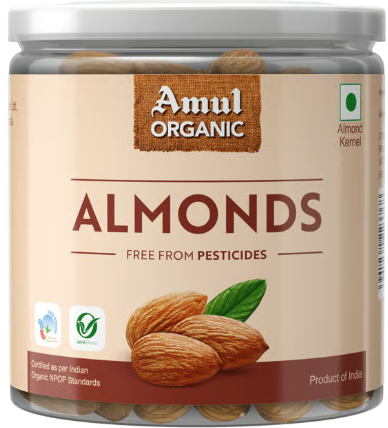
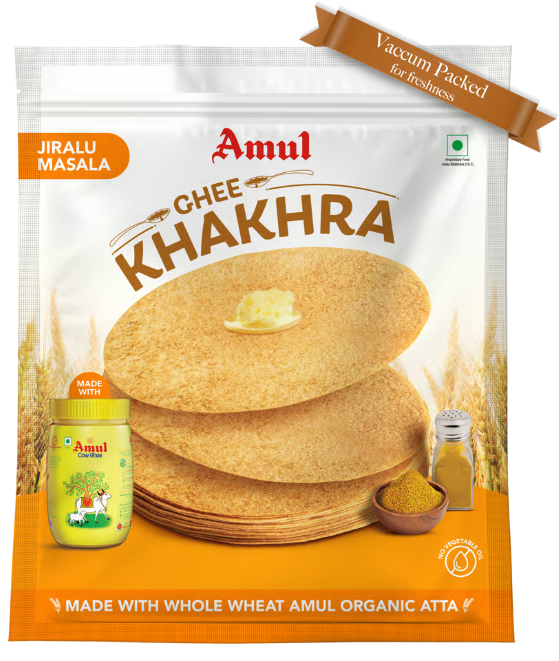
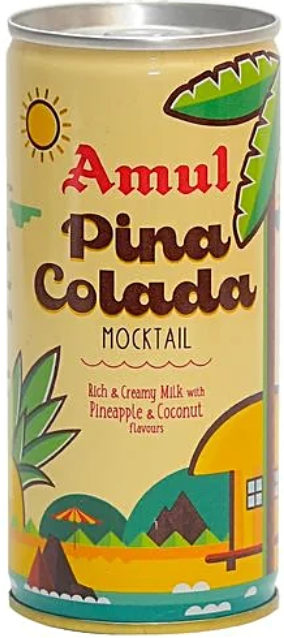
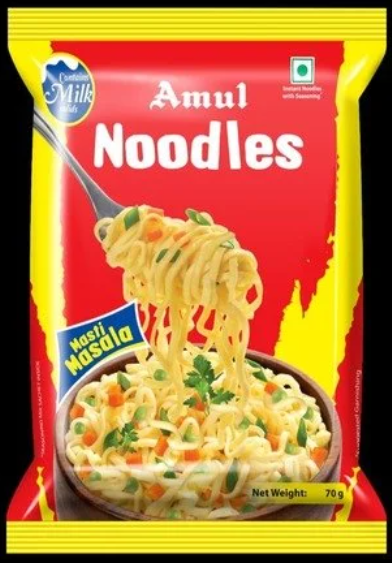
Amul Tests Products Like a Startup. Nobody Knew.
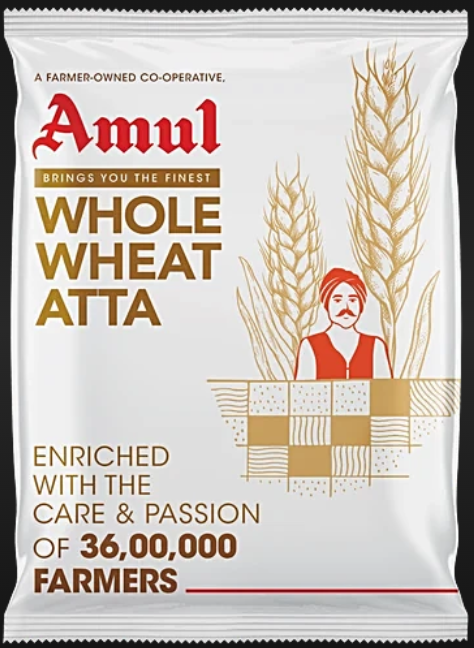
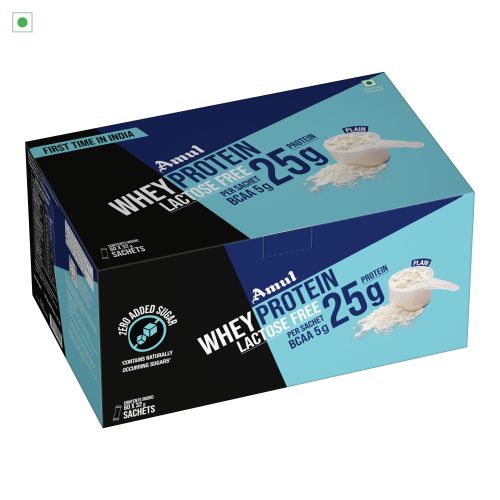
While every major FMCG brand was burning crores on national launches — celebrity endorsements, prime-time slots, massive distribution pushes — Amul was quietly doing something nobody was paying attention to. Before taking a new product national, they'd introduce it in two or three small towns. No ads. No press release. No influencer campaign. Just product, shelf space, and real consumers making real purchasing decisions with real money.
If the product moved, they'd iterate on the recipe and expand. If it didn't, they'd kill it cleanly — no announcement, no damage to brand reputation, no sunk cost fallacy. This discipline — testing in silence, scaling with data, killing without ego — is how Amul consistently launched products that actually had market demand instead of manufacturing demand with ad budgets.
“Test in silence. Scale with confidence. Kill without ego. That's not a startup lesson — that's 70 years of Amul operating smarter than the industry watching it.”
The Amul silent launch principle
.jpg)
Paper Boat Sold Drinks Nobody Asked For. Using Memories Nobody Could Resist.
In 2013, entering the Indian beverage market meant fighting Pepsi and Coke — companies with billion-dollar marketing budgets, decades of distribution muscle, and celebrity faces plastered across every cricket stadium in the country. The rational move was: don't enter this fight. And the rational market research would have confirmed it. Nobody was searching for Aam Panna in a tetra pack. There was zero demand signal for Jaljeera or Kokum as a branded product. The category simply didn't exist.
Paper Boat entered anyway. And they didn't try to compete on refreshment, price, or taste. They competed on memory. Their packaging looked handwritten. Their ads were animated films built entirely around nostalgia — summer holidays, grandmother's kitchen, the taste of something you couldn't quite name but immediately recognized. They weren't selling beverages. They were selling the feeling of going home.
“The most powerful demand signal isn't a market survey. It's a memory your audience didn't know they were holding onto.”
The Paper Boat nostalgia principleThe Paper Boat ad that made a generation feel five years old again.
to a specific time
from childhood
of who I am”
compete with
Zomato Broke Every Brand Voice Rule. Then Became a B-School Case Study.
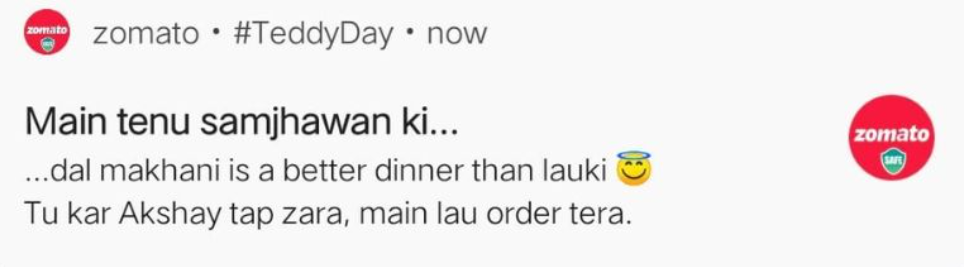
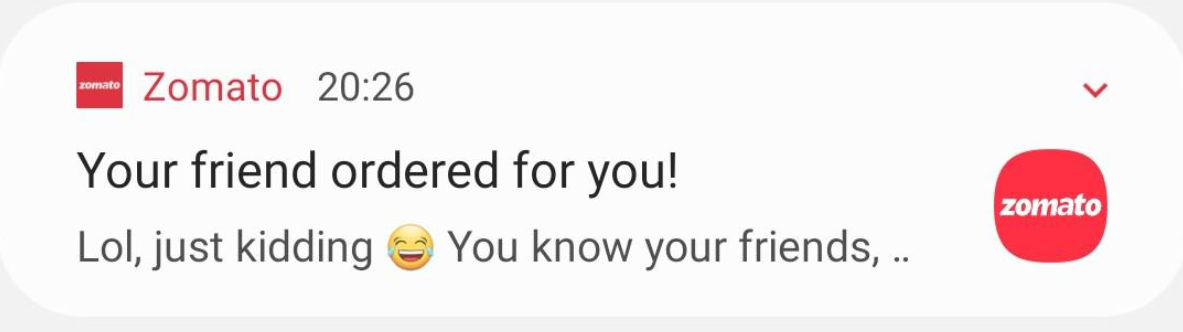
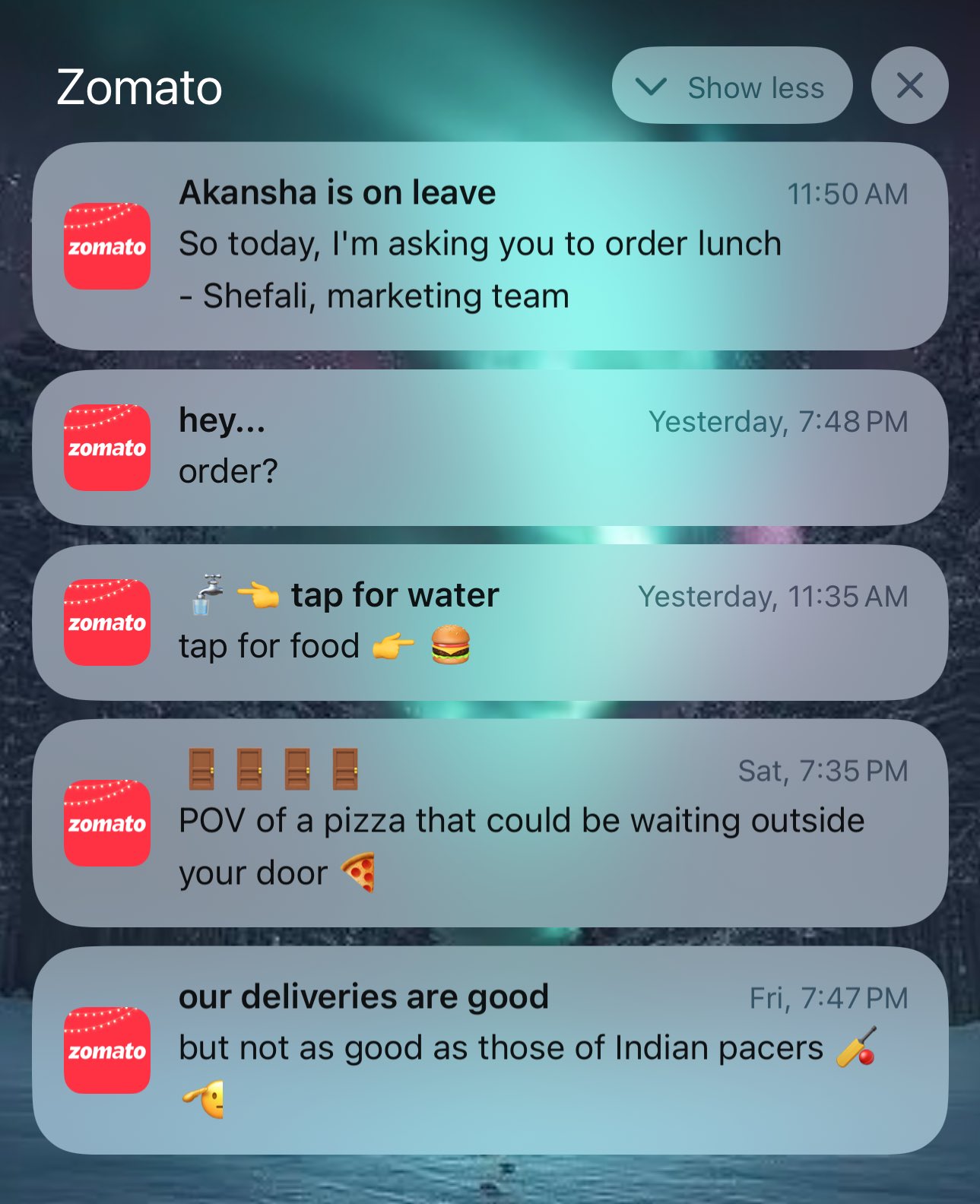
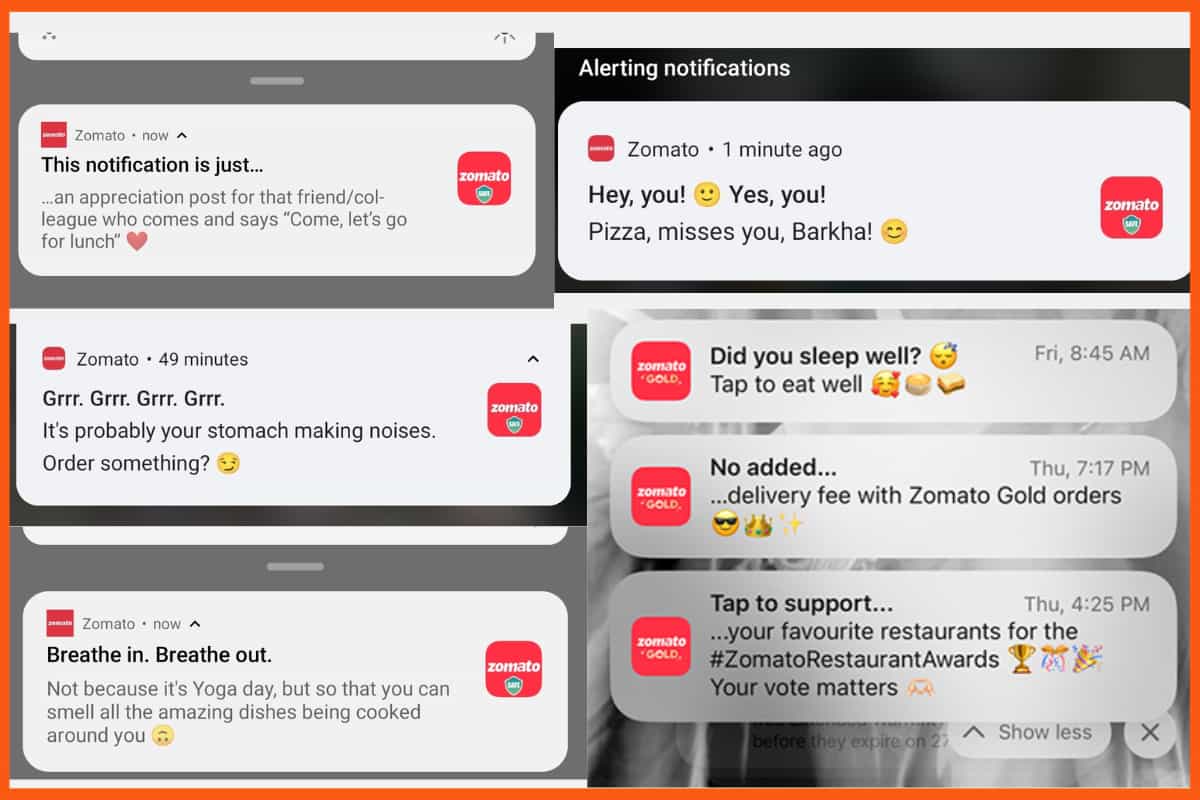
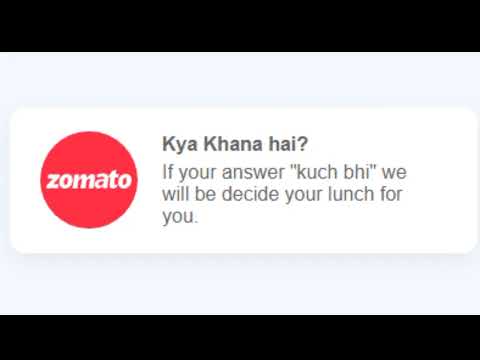
Every brand guidelines document says the same things: maintain a consistent, professional tone. Don't make jokes at your own expense. Never respond to criticism with humor. Don't tweet at 2 AM about existential hunger. Definitely don't trend on Twitter for things that have nothing to do with food. Zomato's social media team read those guidelines and did the opposite of all of them. They sent unhinged tweets about being lonely at night. They made memes out of their own delivery failures. They responded to furious customers with enough wit that the customer would screenshot the reply and post it — turning a complaint into free earned media.
The strategy, if it could even be called that, was to act like a human being instead of a brand. And the market responded to it the way people respond to humans they like: they followed them, shared them, and defended them when things went wrong. Zomato became India's most-followed food brand, a fixture in MBA marketing courses, and the benchmark every food startup's social team is measured against.
“A brand that acts like a human gets treated like one. And humans trust humans far more than they trust brands.”
The Zomato brand voice principle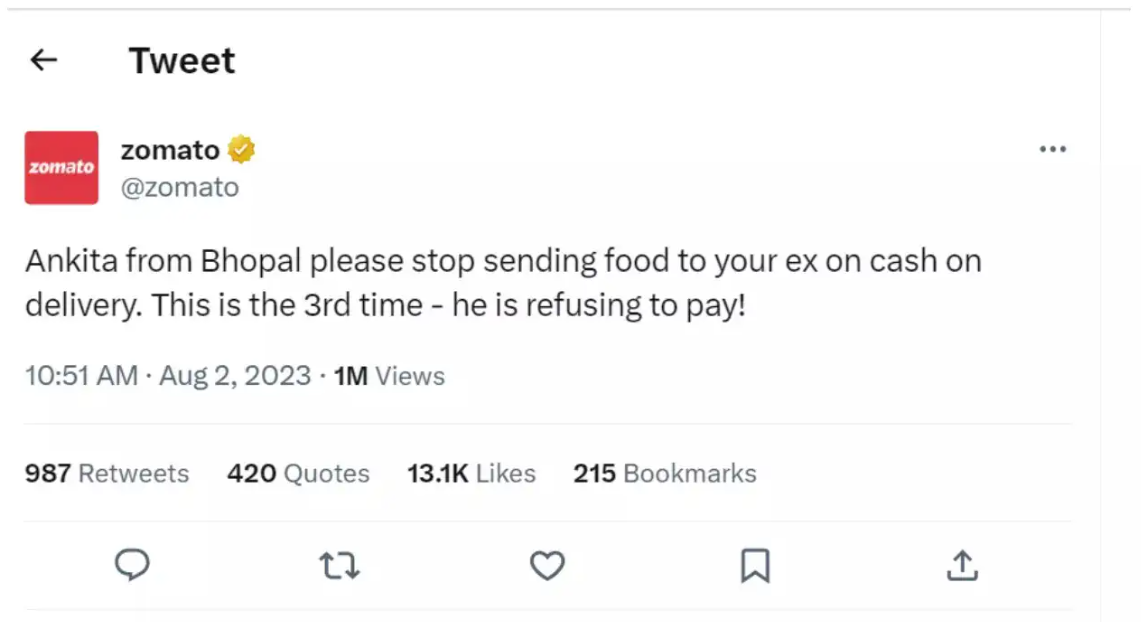
- Formal, consistent, polished
- Never jokes about itself
- Complaints handled via scripts
- Content planned weeks ahead
- Safe, brand-approved language only
- Result: ignored by most people online
- Unfiltered, real, sometimes chaotic
- Self-deprecating about its own failures
- Complaints answered with wit & empathy
- Reacts in real-time to culture
- Sounds like a person, not a press release
- Result: most talked-about food brand in India
Flipkart's Biggest Disaster Became Their Biggest PR Win.
October 2014. Flipkart launched The Big Billion Day — India's first 24-hour mega-sale event, heavily hyped for weeks. Within hours of going live, the site crashed. Prices were incorrect. Discounts that had been advertised were unavailable. Orders were being cancelled at scale. The backlash was immediate and volcanic. Social media turned on Flipkart with the kind of collective fury that brands spend years trying to recover from.
What Flipkart did next was the opposite of the standard crisis playbook. Instead of a brief holding statement followed by quiet damage control, founders Sachin and Binny Bansal published a long, detailed, specific public letter — signed with their names, not “The Flipkart Team” — that acknowledged exactly what went wrong, didn't minimize it, made no excuses, and committed to specific improvements. The backlash stopped almost immediately. External brand trust scores actually went up in the weeks after the disaster.
“Hiding a mistake costs you trust permanently. Owning one completely — with specifics, with names, without excuses — can build more trust than if nothing had gone wrong at all.”
The Flipkart crisis principle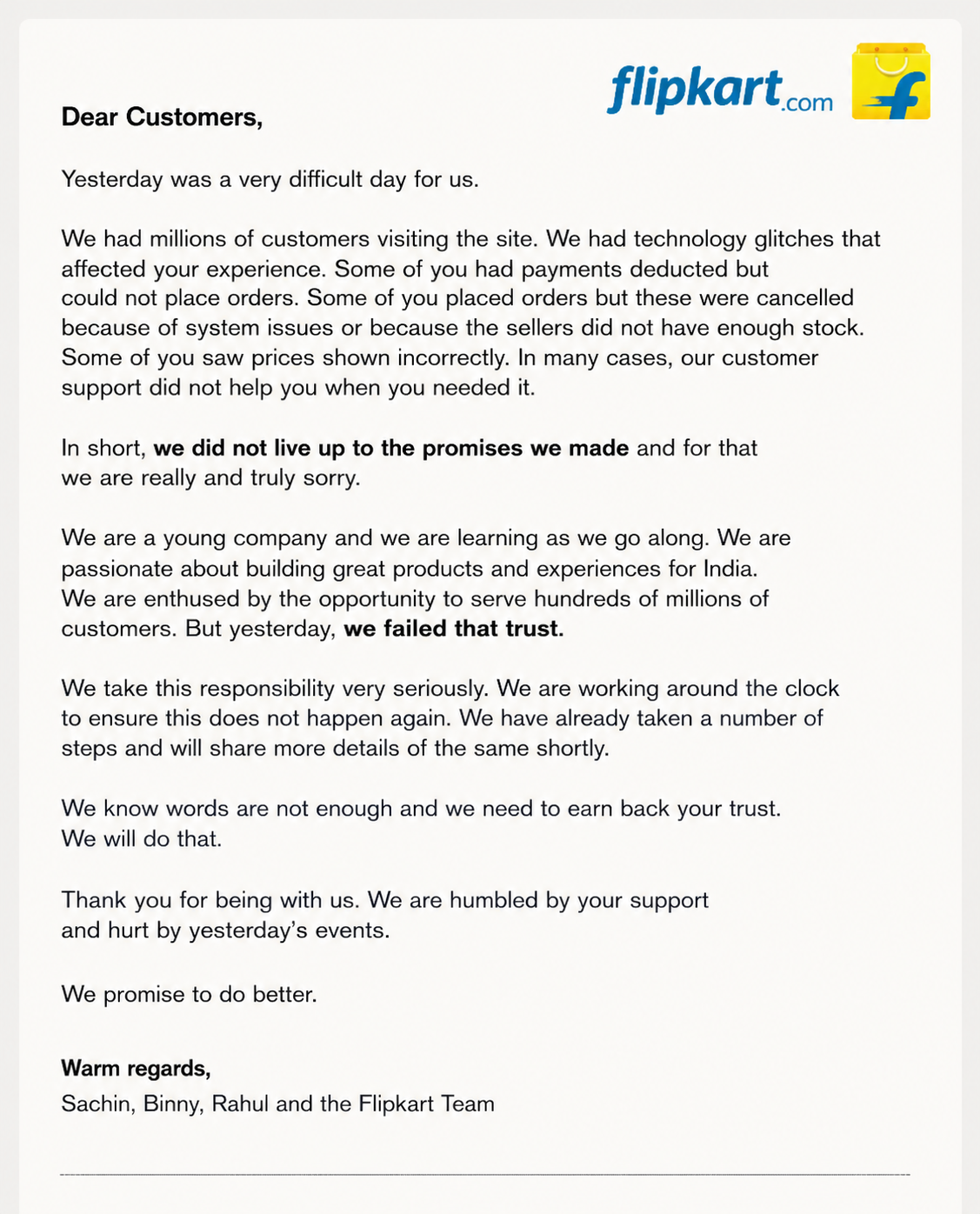

Aum Pagar is one of India's sharpest marketing voices on Instagram. He breaks down real brand strategies and business case studies — exactly the kind of moves you just read about — into clear, no-fluff language built for Indian audiences.
“The best marketing doesn't feel like marketing — it feels like a story you want to be part of.”
The brands in this article succeeded because they understood what Aum's content teaches daily: strategy isn't about spending more, it's about understanding your audience deeply enough to take the bet that scares everyone else.
The Next Unconventional Strategy?
It Involves a Creator Like You.
D2C brands on Klipstars are taking the same kinds of bets these companies took — finding niche creators nobody else is working with yet, before they blow up. The window to be early is still open. But not for long.
Register as a Creator — It's Free →Are you a brand? Partner with us at hello@klipstars.com